
The Republic of Ghana, located in West Africa, spans the Gulf of Guinea and the Atlantic Ocean to the south and shares borders with Côte d'Ivoire, Burkina Faso, and Togo. It has a coastline of approximately 550 km and an Exclusive Economic Zone (EEZ) of 218,000 km². Ghana is divided into 16 administrative regions, four of which are coastal (Western, Central, Greater Accra, and Volta).
With a population of around 31.7 million and rapid urbanization, coastal regions face increasing strain on resources and services. A quarter of the population is concentrated along the coast, which exacerbates environmental pressures. Additionally, 50–80% of Ghanaians rely on fish as a primary protein source, but declining stocks due to overexploitation and Illegal, Unregulated, and Unreported (IUU) fishing threaten food security. According to World Bank statistics, 3.6 million people in Ghana are already food insecure.
Ghana’s Marine Protected Area (MPA) network is still in the early stages of development. The country designated (gazetted) its first MPA in April 2026, covering approximately 700 square kilometres of the western coastline. Prior to this, the network consisted of only two designated Ramsar sites – Songor and Sakumo – covering less than 0.1% of the marine area and are classified as terrestrial sites. The Fisheries Management Plan 2020–2025 identifies MPAs as essential for restoring and sustainably managing fisheries; however, effective implementation will require setting clear objectives, strong stakeholder collaboration, and adequate resources for enforcement.
Contents
- Introduction
-
JNCC’s Ghana OCPP Work Areas
-
Stocktake of MPA Activities in Ghana
-
Beyond MPA Designation
-
Strategic Roadmap for the Implementation of MPAs in Ghana
-
MPA Short Course
-
Advancing Inclusive Engagement and Livelihood Planning for Ghana’s National MPA Strategy
-
MPA Gazettement
- Greater Cape Three Points MPA Management Framework
- Marine Pollution Emergency Response
-
Stocktake of MPA Activities in Ghana
- Resources
- Image Gallery
Introduction
The Ocean Country Partnership Programme (OCPP) in Ghana was delivered under the UK Government's Blue Planet Fund, which was designed to assist developing countries in managing their marine environments sustainably. This was accomplished through mechanisms that also served to enhance livelihoods and reduce poverty through technical assistance, capacity building, and policy support.
The OCPP team for Ghana identified several thematic priorities of work to support Ghana in effectively managing human activities that impact the marine environment and ensure that all of their citizens can benefit from its long-term sustainable use. These included enhancing technical knowledge and capacity within key stakeholder groups around sustainable aquaculture practices, building capacity to prevent IUU, and supporting the establishment and implementation of MPAs by identifying gaps and key steps.
JNCC’s Ghana OCPP Work Areas
Through OCPP, JNCC's efforts focused on supporting active endeavours to establish and implement MPAs in Ghana, and enhance knowledge on the role and importance of MPAs in marine conservation through developing education resources and materials.
The below headings summarise some of the work areas undertaken across the biodiversity theme of the OCPP which JNCC have delivered cross-organisation and in collaboration with the Government of Ghana, non-governmental organisations (NGOs), and academic institutions.
Outputs from these work areas can be viewed in the Resources section.
Stocktake of MPA Activities in Ghana
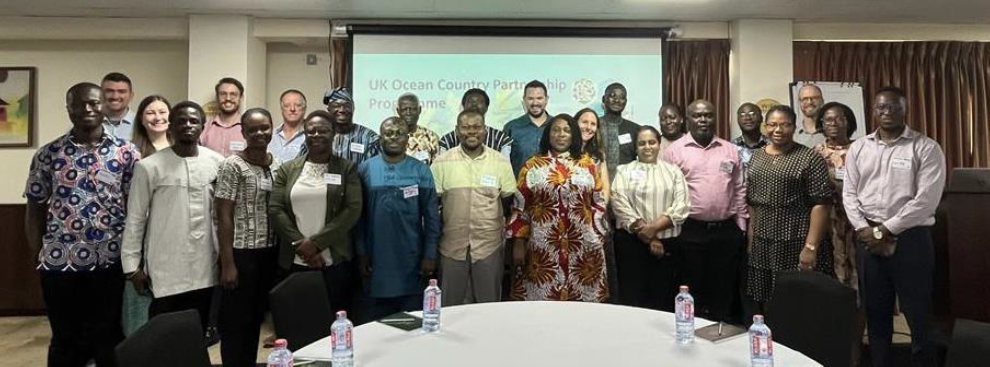
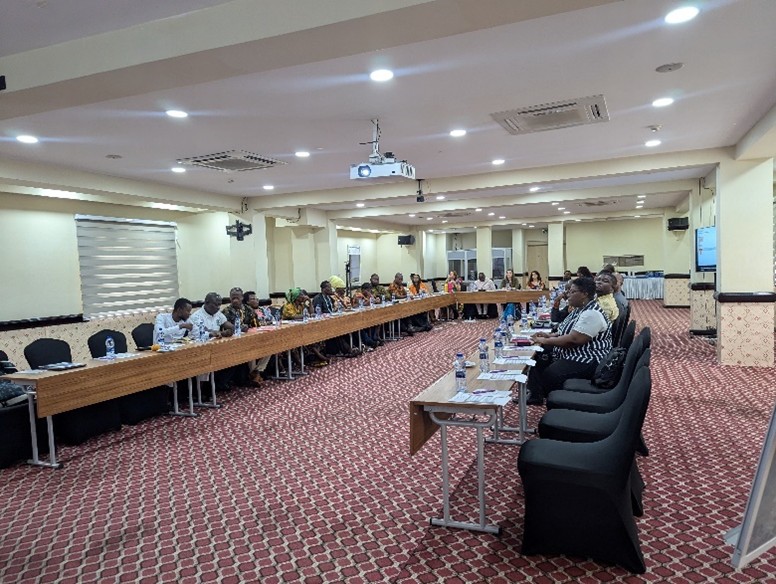
Following the OCPP‑hosted MPA and Marine Spatial Planning (MSP) workshop in Ghana in February 2023, partners highlighted the need for a consolidated overview of the many programmes operating across the marine and coastal space. In response, the OCPP developed a comprehensive MPA donor activity stocktake, cataloguing past, ongoing, and planned initiatives alongside their responsible organisations. The programme also produced an MPA schematic, which maps Ghana’s current progress and long‑term ambitions for MPAs across key policy, governance, and implementation drivers.
Both resources have been shared with government partners and are available in the Resources section. They are intended to support donor and technical partners by providing a clear first point of reference, helping to reduce duplication and ensure that new or emerging programmes complement and build upon existing efforts. This approach aims to promote coherent, effective support for Ghana’s MPA agenda and to strengthen the foundations for continued progress.
Beyond MPA Designation
The OCPP contributed towards furthering understanding on the longer-term benefit of MPAs and how Ghana’s stakeholders can take action to effectively and sustainably manage their marine environment. The work entitled ‘Beyond MPA Designation in Ghana (Research and Development)’ aimed to address knowledge gaps for effective MPA implementation – particularly around management, monitoring, and community engagement – following the designation of Ghana’s first MPA which susbsequently took place in April 2026. The project was delivered by Hen Mpoano, a local NGO.
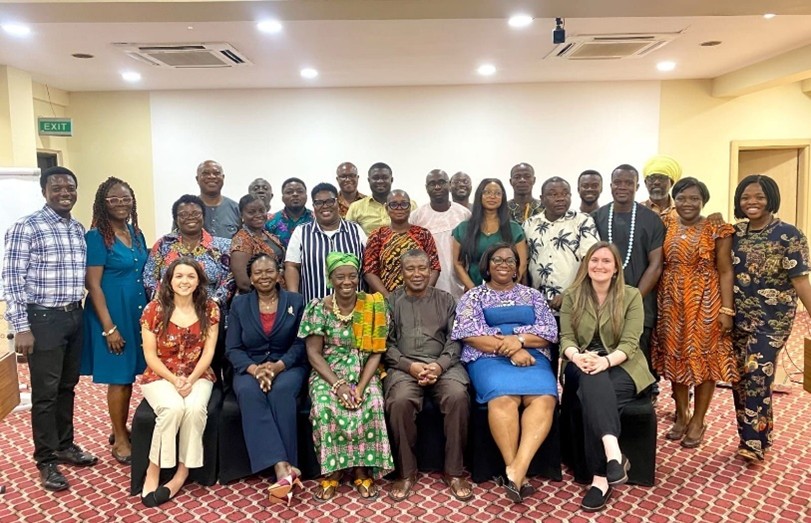
This work was undertaken in 2024–2025 and focused on foundational research to address knowledge gaps associated with MPA implementation in Ghana. Key outputs developed from this work included:
- A comprehensive report reviewing existing MPA implementation strategies and frameworks in Ghana
- Stakeholder mapping and gender analysis identifying key actors across the MPA implementation cycle
- A review of past MPA awareness-raising activities and existing marine environmental educational resources in Ghana
- A high-level scoping document with recommendations for future awareness and educational resource development
- A high-level framework for an MPA roadmap detailing key post-designation actions
Validation workshops and stakeholder engagements were held to ensure the outputs were inclusive and sustainable. The final documents for these activities can be found in the Resources section.
Strategic Roadmap for the Implementation of MPAs in Ghana
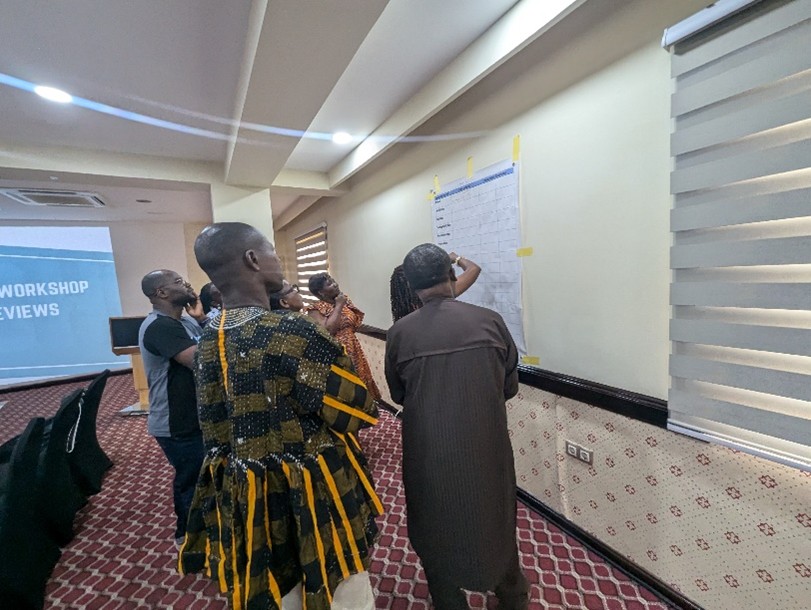
The OCPP, working in collaboration with GFRA LBG, a Ghanaian NGO, developed a strategic MPA roadmap to guide Ghana’s transition from MPA designation to effective, long‑term implementation. The roadmap provides a practical and adaptable framework to support national and local stakeholders as they move from gazettement to on‑the‑ground management, monitoring, and assessment of MPAs.
Focusing on the post‑designation phase, the roadmap outlines essential actions for establishing effective management systems while addressing cross‑cutting priorities such as stakeholder engagement, gender equality, disability and social inclusion, alternative livelihoods, and sustainable finance.
Developed between 2025 and 2026, the roadmap builds on earlier OCPP work delivered by Hen Mpoano under the Beyond MPA Designation in Ghana (Research and Development) project. This earlier work produced the MPA Roadmap Framework, which shaped the structure and priorities presented in the current strategic MPA roadmap.
To support users further, the roadmap is accompanied by:
- A supplementary information document providing detailed guidance on specific technical and thematic areas.
- A Greater Cape Three Points (GCTP) case study offering a site‑level example that traces the journey from initial site identification to gazettement and onward to implementation.
Undertaking stakeholder engagements and validation workshops ensured amplification and integration of local voices and that the roadmap reflects local realities, builds on national expertise, and supports a sustainable, inclusive approach to MPA implementation in Ghana.
The final documents for this work can be found in the Resources section.
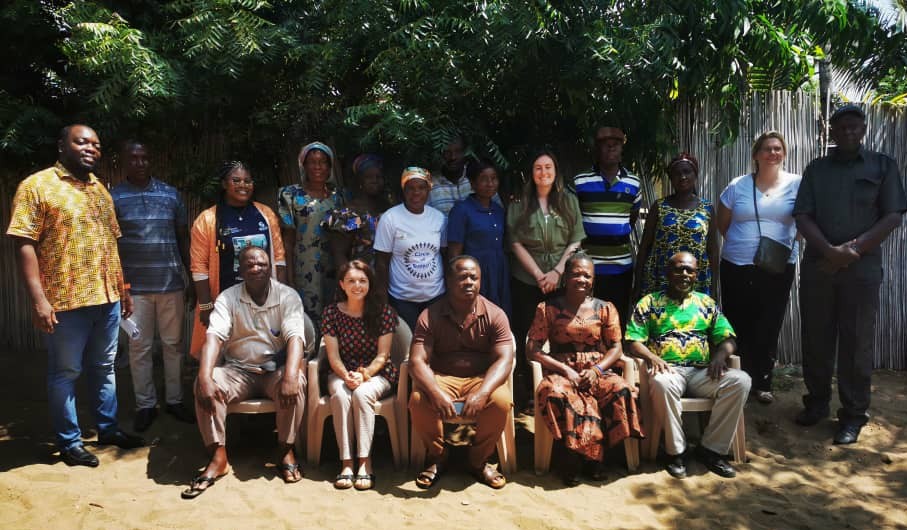
MPA Short Course
The OCPP developed an introductory online learning course on MPAs in partnership with the University of Cape Coast, combining lectures and self-directed learning materials. The course introduced the need for marine conservation at both national and international levels and is structured across eight modules. These cover foundational concepts, global and regional drivers (with a focus on Ghana and West Africa), MPA planning and implementation processes – including designation, management, and monitoring – and the integration of MPAs within broader marine spatial planning. The final module encourages learner reflection and action. Case studies throughout help contextualize learning. The course targets final-year undergraduate/postgraduate students, government staff, and NGO professionals.
The MPA Short Course presentation modules, accompanying notes and further reading list are available in the Resources section.
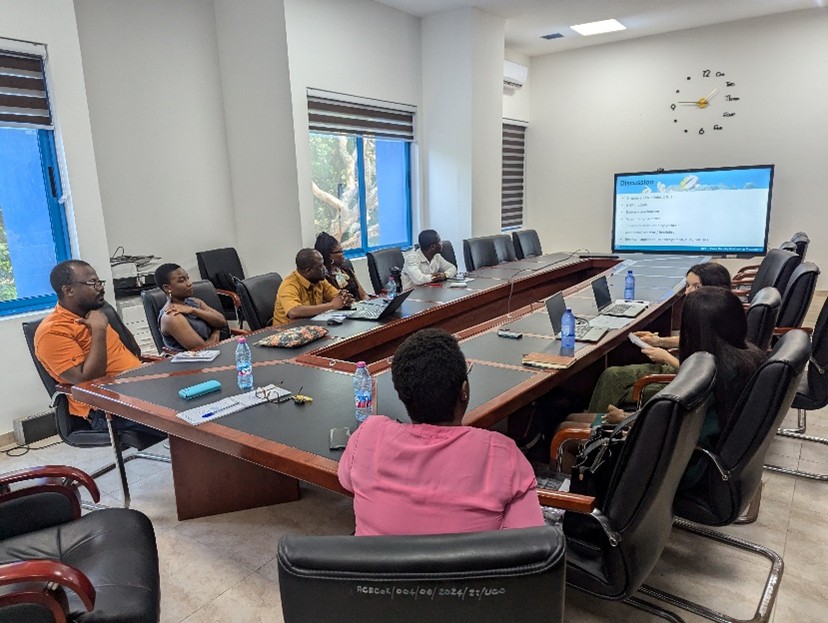
Advancing Inclusive Engagement and Livelihood Planning for Ghana’s National MPA Strategy
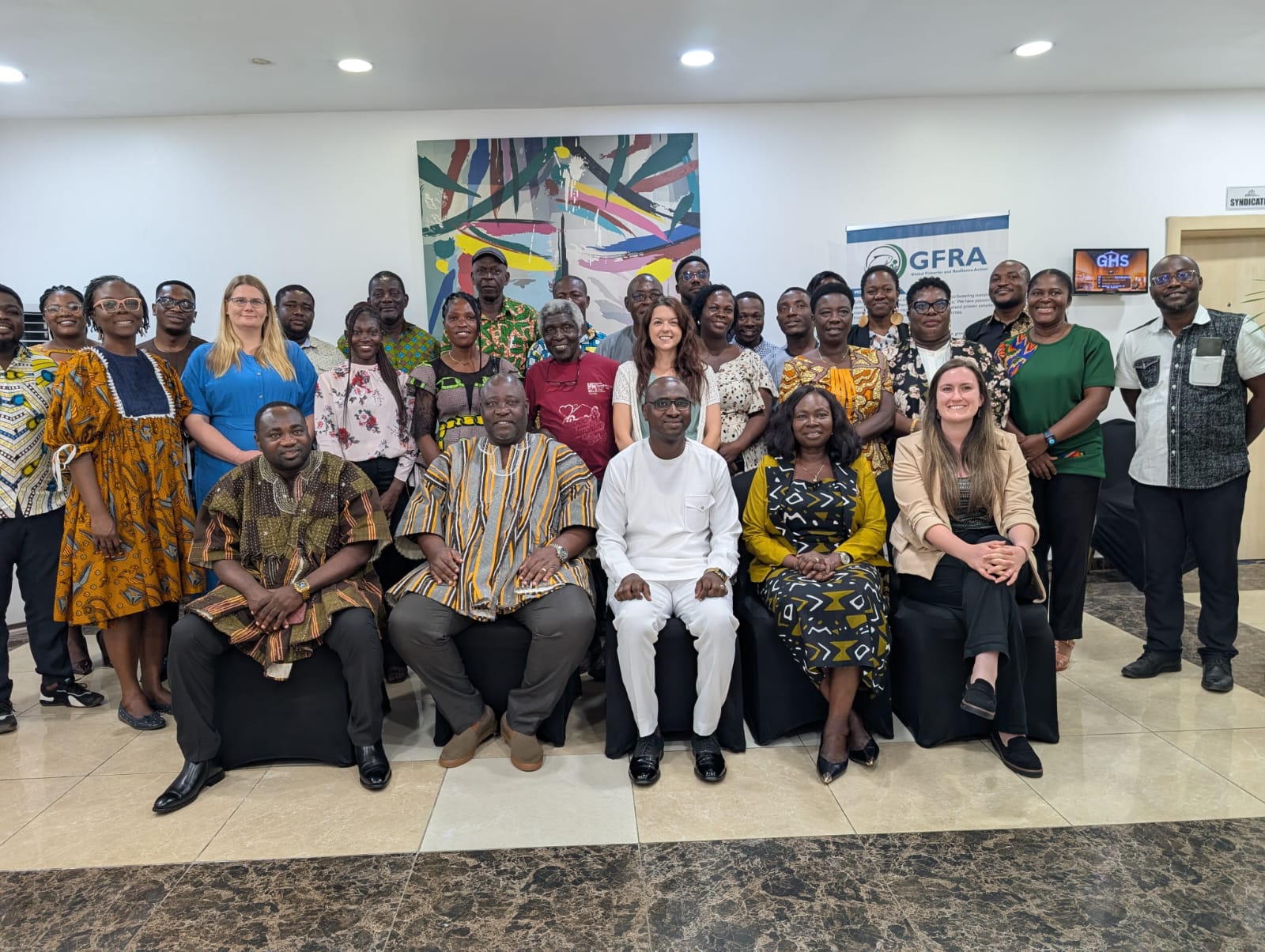
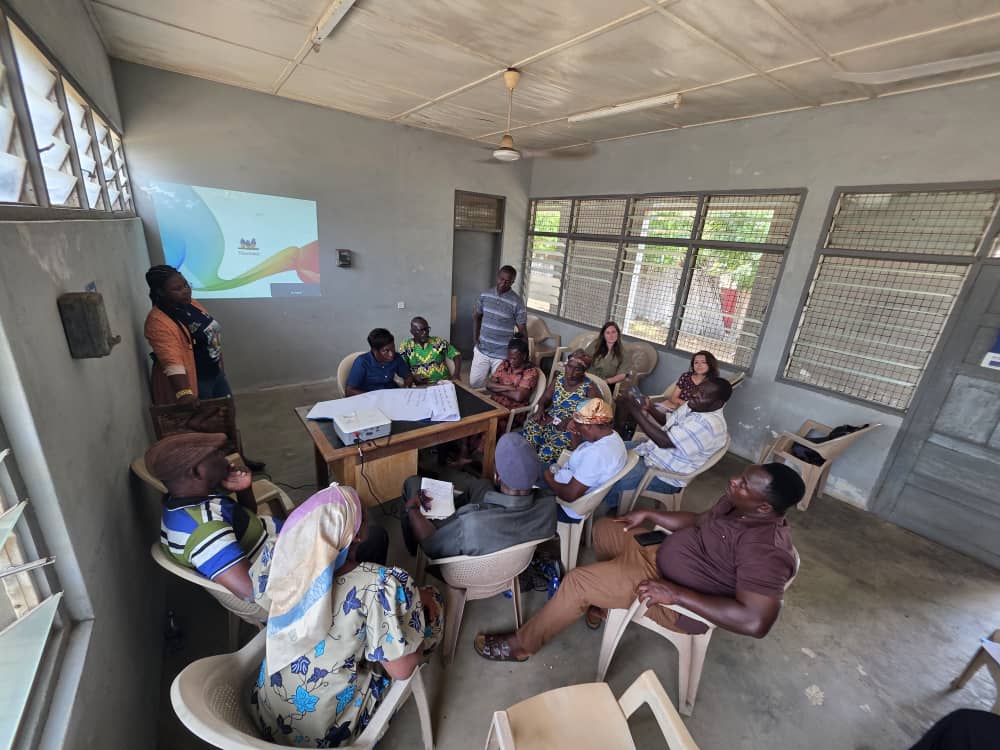
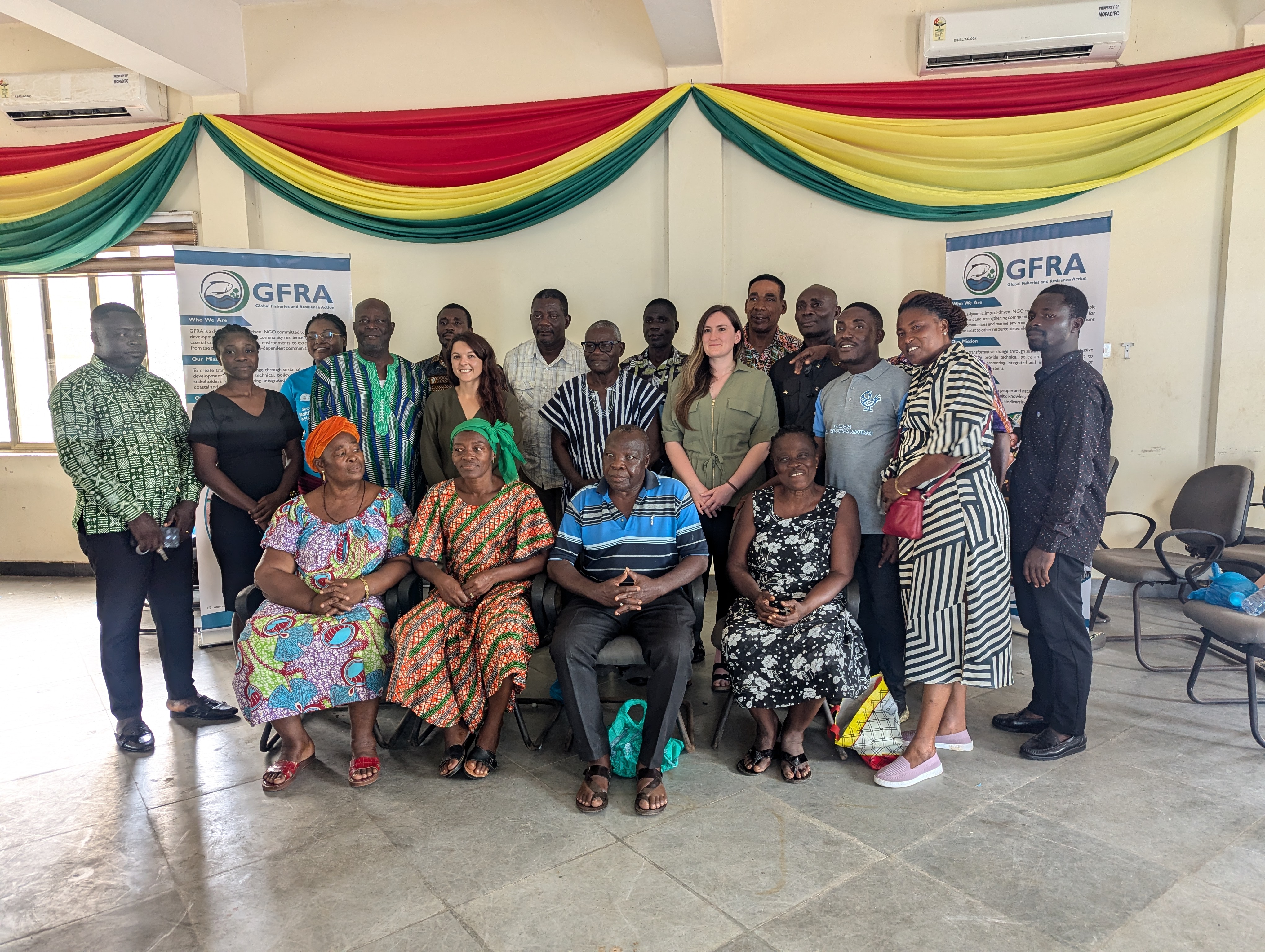
To support implementation of Ghana’s emerging MPA Strategy, GFRA LBG, with support from the OCPP, led a comprehensive process to gather institutional and community perspectives on future MPA establishment. GFRA convened government agencies, academics, and coastal rightsholders, including fisherfolk associations, women processors, youth groups, PWD (Person With Disability) groups, traders, and traditional authorities, to validate existing MPA documentation and build meaningful local buy‑in for Ghana’s marine protection goals.
Using the insights from these consultations, GFRA spearheaded the participatory development of a gender‑responsive and conflict‑sensitive livelihood mitigation policy framework. Through targeted vulnerability assessments, multi‑stakeholder workshops, and a government‑led Technical Working Group, the team co‑designed practical measures such as livelihood diversification options and links to national social protection schemes.
The resulting draft livelihood mitigation policy framework offers a clear, evidence‑based approach for managing socio‑economic impacts associated with MPA establishment under the national MPA Strategy, helping ensure coastal communities are supported and able to benefit from Ghana’s long‑term ocean stewardship ambitions.
The finalised policy framework is available in the Resources section.
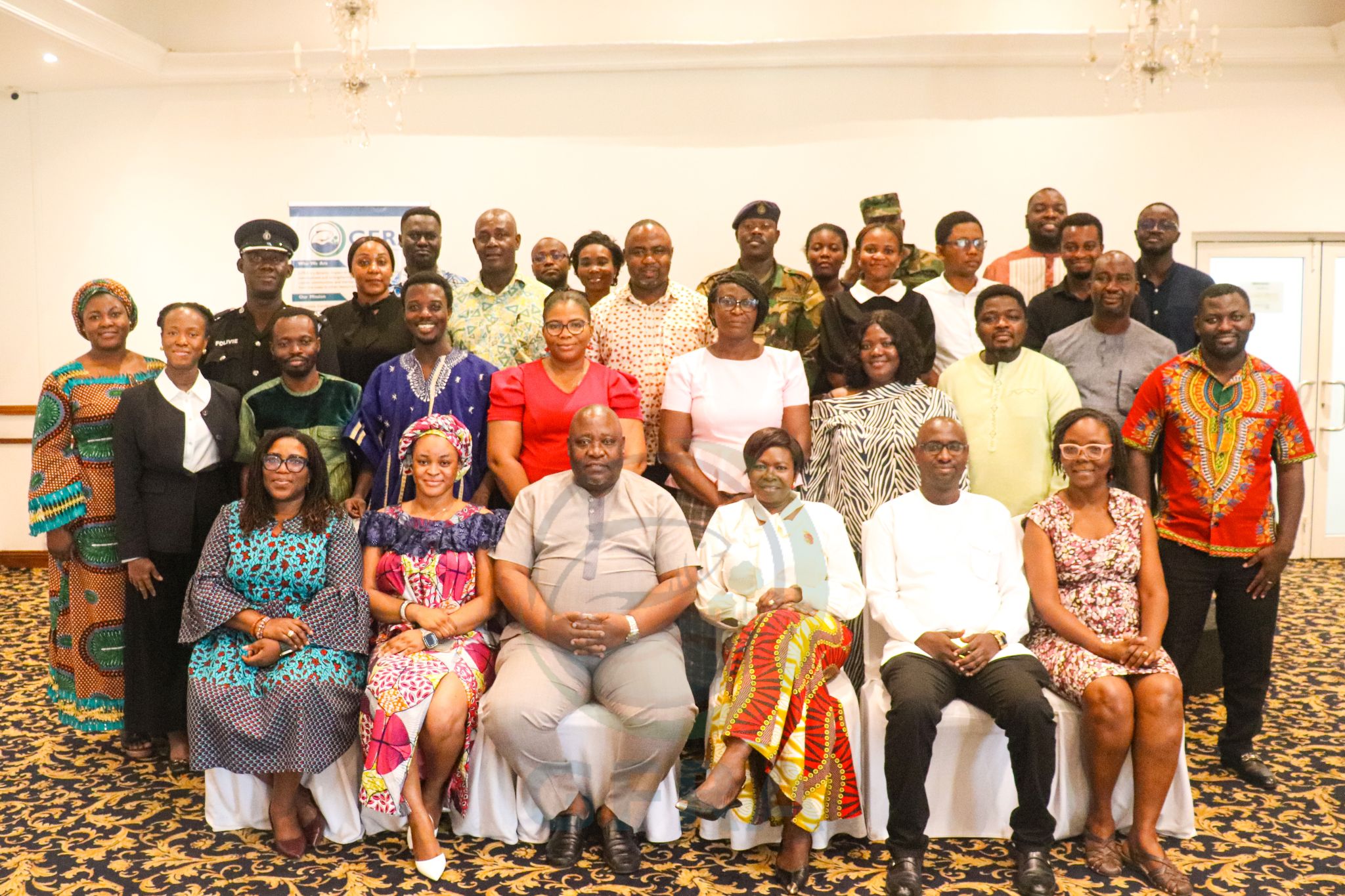
(Photo © GFRA)
MPA Gazettement
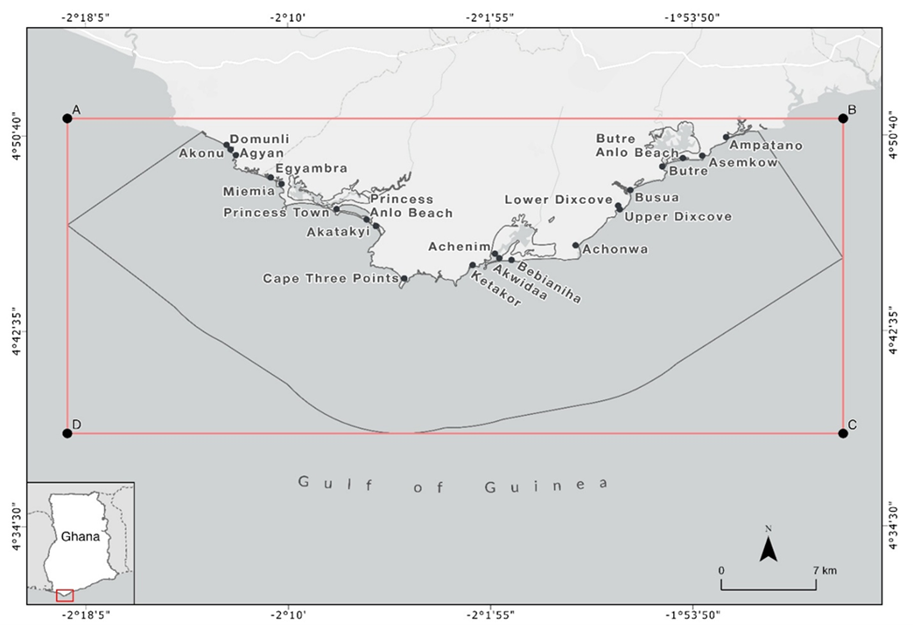
The OCPP supported the designation of Ghana’s first MPA in the Greater Cape Three Points region, which was formally announced on 14 April 2026. Through targeted technical assistance delivered by Hen Mpoano, a respected local NGO, the programme has helped drive forward the final steps required for legal gazettement. This support has spanned inter‑ministerial coordination, engagements with Parliament and Cabinet, refinement of management guidelines, and the development of clear, accessible public‑facing communications to build national and community buy‑in.
Collectively, these efforts have helped unlock a major ocean‑governance milestone for Ghana. The gazettement of the Greater Cape Three Points MPA marked the country’s first formally designated MPA, demonstrating tangible uptake of programme‑supported technical recommendations and contributing directly to stronger, evidence‑based management of Ghana’s marine environment under the Sustainable Ocean Plan.
(Map © Hen Mpoano)
Greater Cape Three Points MPA Management Framework
With support from the OCPP, Hen Mpoano led the development of a robust draft management plan framework for the Greater Cape Three Points MPA, set to become Ghana's first formally designated MPA. The work brought together key government institutions through a Technical Advisory Committee (TAC), established a clear coordination structure, and drew on existing ecological, socio economic, legal, and policy evidence to shape a practical and context driven framework. This draft was strengthened through expert review and stakeholder validation, ensuring it reflects national priorities, scientific insight, and community needs. The resulting validated framework provides a foundation for the development and formal adoption of a management plan as an essential foundation for effective long-term management of the MPA, which was subsequently designated in April 2026.
The finalised management plan framework for the Greater Cape Three Points MPA is available in the Resources section.
Marine Pollution Emergency Response
The OCPP funded an OSRL‑delivered programme of IMO Level 2 (IMO2), SCAT and IMO Level 3 (IMO3) training in Ghana in March 2025. IMO2 training focused on building the competence of personnel likely to respond directly to an oil spill at the operational level, covering safe working practices, spill response techniques, and the use of response equipment. The SCAT (Shoreline Clean‑up Assessment Technique) component provided participants with practical skills to assess shoreline oiling, evaluate environmental sensitivity, and support informed clean‑up decision‑making. IMO3 training was aimed at supervisory and management‑level staff, strengthening their ability to plan, coordinate and manage oil spill response operations strategically. Collectively, the training is essential for effective oil spill preparedness and response, providing critical knowledge and skills to protect the environment and public health. The course was attended by a range of relevant Emergency Response personnel and included a practical equipment deployment exercise, delivered in collaboration with the Ghana Ports and Harbours Authority.
Resources
Published pieces of work associated with the listed activities undertaken through the OCPP-Ghana partnership can be found in this section and will be added throughout the programme:
Ocean Country Partnership Programme: MPA Schematic and Donor Activity Stocktake – These tools aim to improve visibility for government and donor partners, reduce duplication, and support better alignment of future programmes with national priorities.
Ocean Country Partnership Programme: Beyond MPA Designation in Ghana:
- Analytical review of Marine Protected Area (MPA) implementation policies, legislation, and strategies in Ghana: A comprehensive report reviewing existing MPA implementation strategies and frameworks in Ghana.
- Beyond MPA Designation in Ghana: Stakeholder Mapping and Gender Analysis in MPA Establishment and Implementation: Stakeholder mapping and gender analysis identifying key actors across the MPA implementation cycle.
- Review of MPA Awareness Initiatives and Marine Educational Tools in Ghana: A review of past MPA awareness-raising activities and existing marine environmental educational resources in Ghana.
- Recommendations for future MPA awareness raising and marine environmental educational tools in Ghana: A high-level scoping document with recommendations for future awareness and educational resource development.
- An MPA roadmap framework to support the implementation of MPAs in Ghana: A high-level framework for an MPA roadmap, detailing key post-designation actions.
Ocean Country Partnership Programme: Strategic Roadmap for the Implementation of Marine Protected Areas in Ghana:
- Strategic Roadmap for the Implementation of Marine Protected Areas in Ghana: A strategic roadmap designed to provide a practical, adaptable guide to support transitioning from MPA establishment to effective, long-term implementation.
- Supplementary Material for the Strategic Roadmap for the Implementation of Marine Protected Areas in Ghana: Provides detailed guidance on specific topics outlined in the strategic roadmap document.
- Case Study: Greater Cape Three Points: A site-specific case study on the Greater Cape Three Points MPA, illustrating the journey from site identification to gazettement and onward to implementation.
Ocean Country Partnership Programme, in collaboration with the University of Cape Coast: MPA Short Course – Materials for an introductory blended learning course on Marine Protected Areas (MPAs) to strengthen national capacity for marine conservation in Ghana.
Ocean Country Partnership Programme, in collaboration with GFRA: Livelihoods Risk Mitigation Analysis for MPA Implementation in Ghana – This policy framework is a structured, evidence‑based approach to managing socio‑economic risks associated with MPA implementation, which aims to support fair, credible, and socially sustainable MPA delivery in Ghana.
Ocean Country Partnership Programme, in collaboration with Hen Mpoano: Greater Cape Three Points MPA (Ghana) Management Plan Framework – This management framework provides a foundation for the development and implementation of a comprehensive management plan to guide the long‑term conservation and management of the Greater Cape Three Points MPA.
Image Gallery


Categories:
Published: