
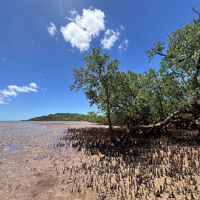
Madagascar, the fourth largest island in the world, is renowned for its extraordinary biodiversity and extensive marine ecosystems. With over 4800km of coastline, the island's natural assets include the world's largest coral reef systems, extensive mangrove forests, seagrasses, estuaries, marshes, and diverse shorelines.
However, the country has one of the highest poverty rates in the world, with approximately 75% of its population living below the international poverty line. Around 1.5 million Malagasy people depend on fishing and aquaculture to survive. These communities are among the most vulnerable and marginalised, often lacking alternative sources of income and being heavily dependent on natural resources.
Introduction
The Ocean Country Partnership Programme (OCPP) in Madagascar is delivered under the UK Government's Blue Planet Fund, which aims to support developing countries in managing their marine environments sustainably. This is being accomplished through mechanisms that also serve to enhance livelihoods and reduce poverty through technical assistance, capacity building, and policy support. The partnership is delivered by JNCC, Cefas and the Marine Management Organisation (MMO), and is focused on providing demand-led technical assistance around the three key themes of OCPP:
Food security: Coastal communities in Madagascar face increasing threats and pressures from unsustainable use of their marine environment, climate impacts and environmental hazards impacting food security. Through OCPP, we aim to improve food security and resilience in coastal communities through improved fisheries management and sustainable livelihoods.
Capacity building: Limited capacity and sometimes capability to manage, monitor and regulate human activities in the marine environment is a key challenge in Madagascar. Through OCPP, we aim to enhance the capacity and capabilities of government ministries and stakeholders, increasing access to and awareness of tools and knowledge that support the regulation, conservation, and management of the marine environment.
Marine Biodiversity: The sustainable management practices and governance of existing MPAs and the contribution of Locally Managed Marine Areas to international commitments are a complex challenge. Through OCPP, we aim to support the improvement of effective management and explore how the status of the LMMA network can support the achievement of the 30x30 GBF commitment.
JNCC’s Madagascar OCPP Work Areas
The focus of work in Madagascar as part of the OCPP at present is centered on the following:
- Utilising expertise and scientific evidence to tackle the challenges facing policy and governance of Madagascar’s existing marine protected areas (MPAs), Locally Managed Marine Areas (LMMAs), mangrove restoration and sustainable livelihoods.
- Training, capacity building and knowledge exchange to cover a range of topics including fisheries observance, compliance & enforcement, MPA designation, management and monitoring best practice.
- Education and Awareness materials for coastal communities, including topics such as the benefits of marine conservation, MPAs, fisheries best practices and Illegal, Unreported, and Unregulated (IUU) fishing.
- Support Madagascan involvement in the Western Indian Ocean Marine Science Association (WIOMSA).
The headings below summarise some of the current and past work areas undertaken across the biodiversity and emergency response themes of the OCPP in partnership with the Government of Madagascar. Outputs from these work areas can be viewed in the Resources section.
Workshops and Capacity Building
Madagascar has a well-established NGO community and a strong presence of international donors. In September 2023, the OCPP met with these stakeholders, alongside representatives from the Government of Madagascar, to discuss priority marine themes including biodiversity, marine protected areas (MPAs), blue carbon, aquaculture, and illegal, unreported and unregulated (IUU) fishing. Challenges associated with each theme were explored in detail to assess opportunities for OCPP support and to identify priority areas to help shape future work plans in Madagascar.
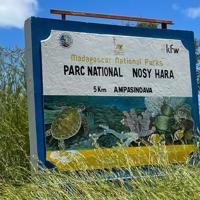
A clear priority identified by government partners was the need to build capacity within Madagascar National Parks (MNP) and relevant departments of the Ministry of the Environment, reflecting the central role of marine conservation within national environmental plans. In response, OCPP initiated a collaborative approach with MNP to develop a new strategy focused on strengthening scientific evidence and methodologies to support improved management planning across MPAs and neighbouring community-led initiatives.
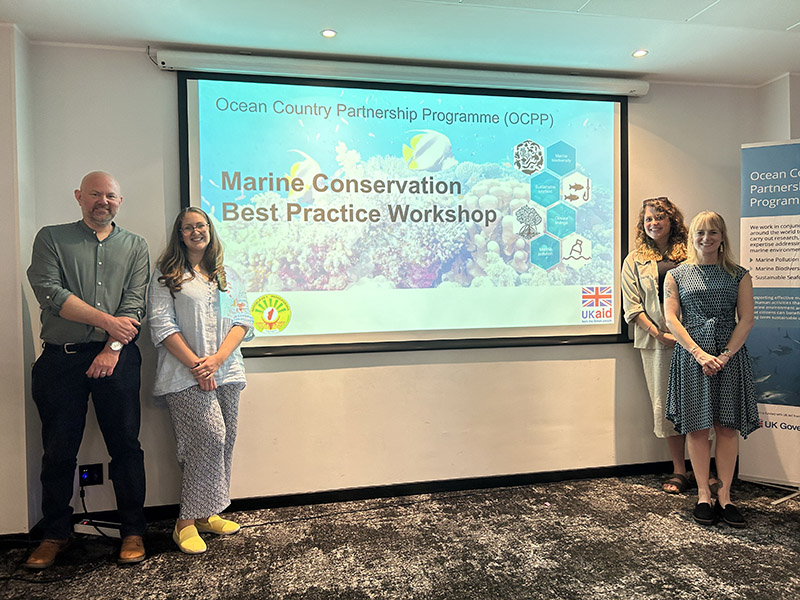
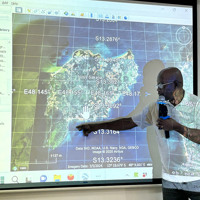
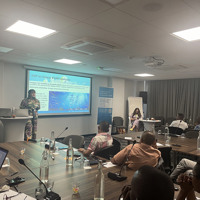
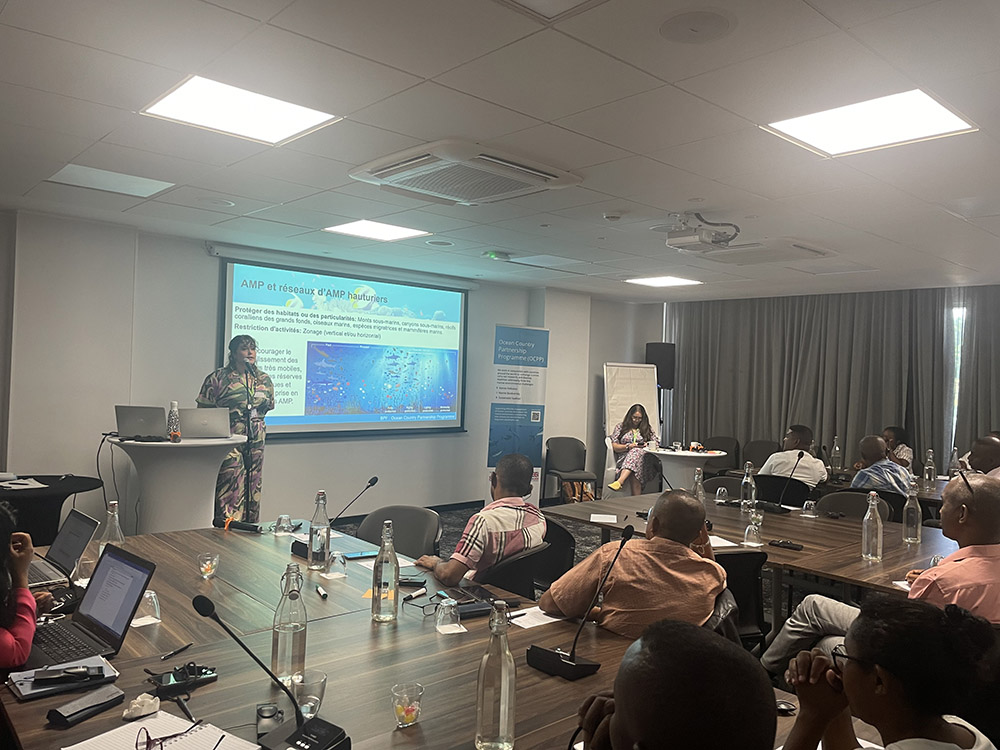
This collaboration led to an OCPP-led workshop delivered in March 2024, which brought together a wide range of in-country partners to share best practices in marine conservation. The workshop provided an in-depth overview of the MPA framework, the management cycle, and the importance of stakeholder engagement. Breakout sessions enabled participants from local and regional organisations to explore topics including MPA road-mapping, management planning, and key threats and pressures. The resulting reports and work plans now guide OCPP’s continued support to the Government of Madagascar, national NGOs and local communities in conserving marine biodiversity, and the ecosystem services it provides.
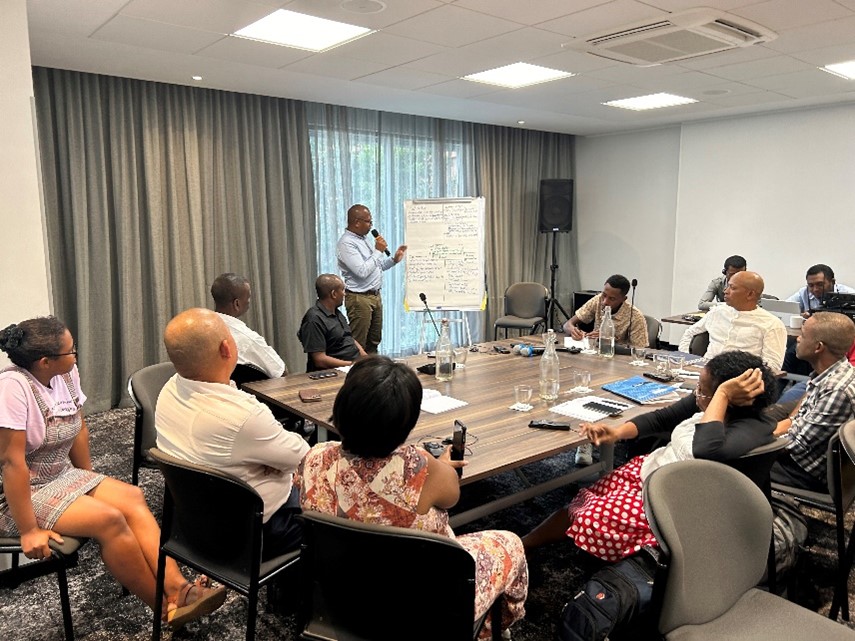
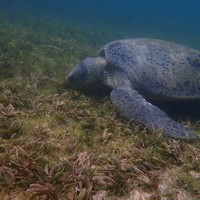
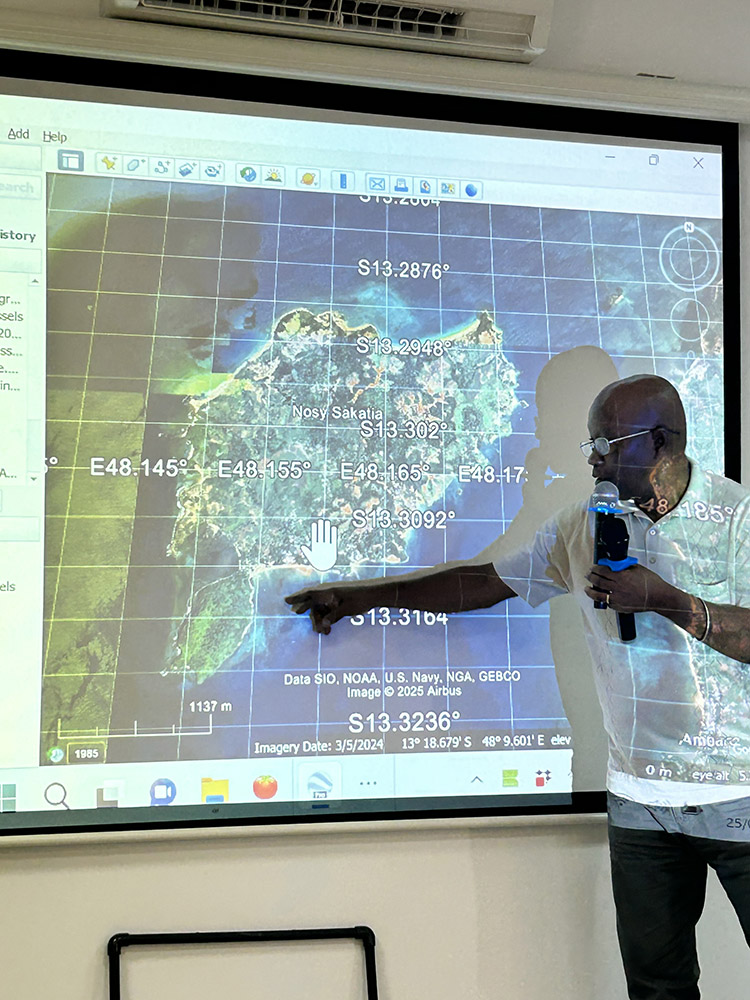
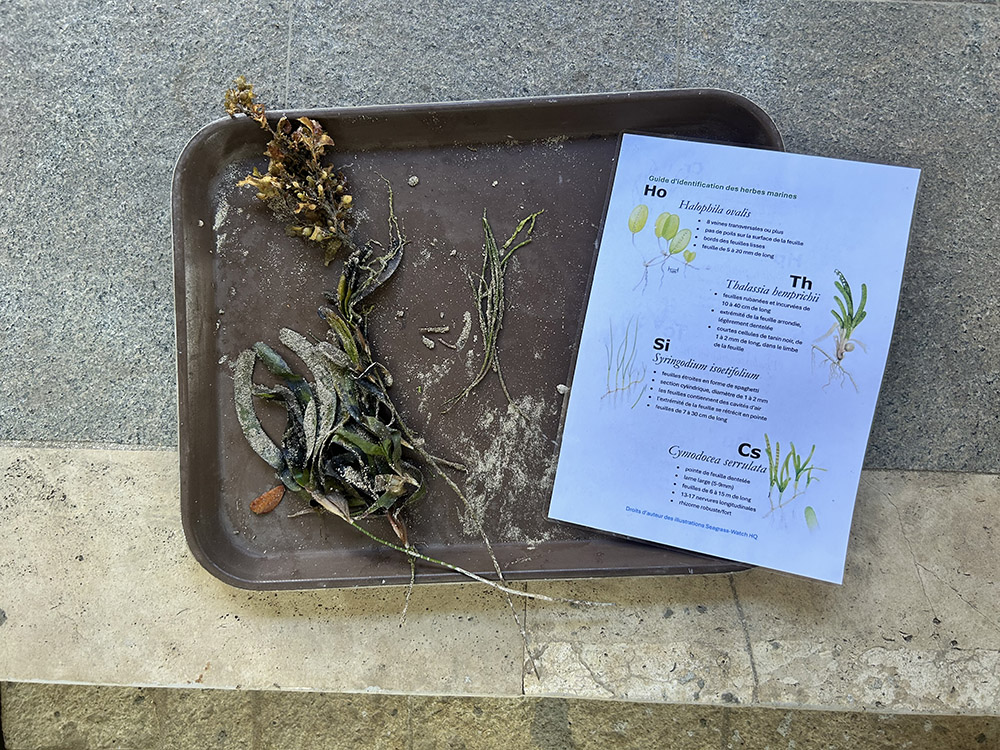
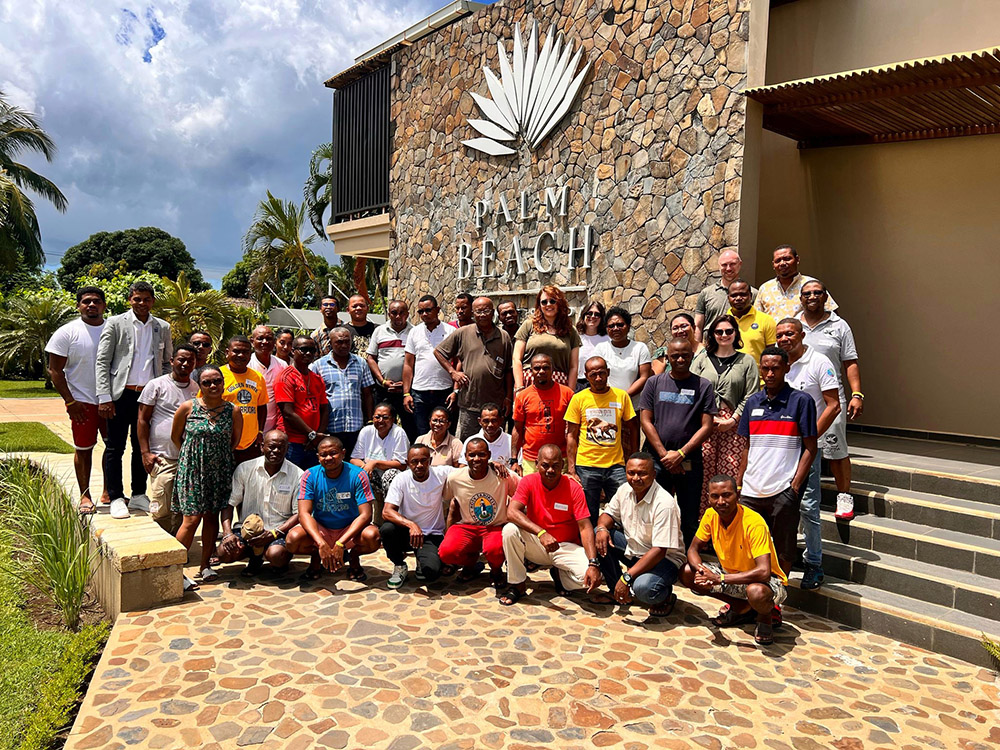
One of the key needs identified during the workshop was improved information on seagrass monitoring within the existing MPA network. In response, OCPP supported a review and update of the national seagrass monitoring protocol. This document covers information on seagrass in Madagascar, threats, transect methodology, data management, and reporting. To support implementation, the OCPP biodiversity team delivered a dedicated seagrass monitoring workshop for MNP rangers and staff. The training was further strengthened by contributions from colleagues involved in the WIOMSA-coordinated Large-Scale Seagrass Mapping and Management Initiative (LaSMMI).
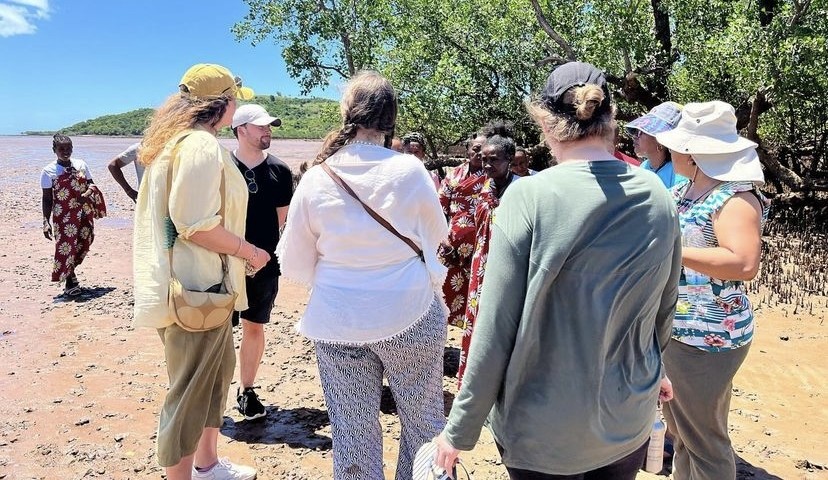
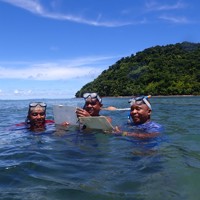
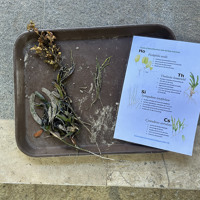
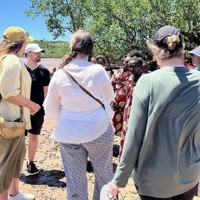
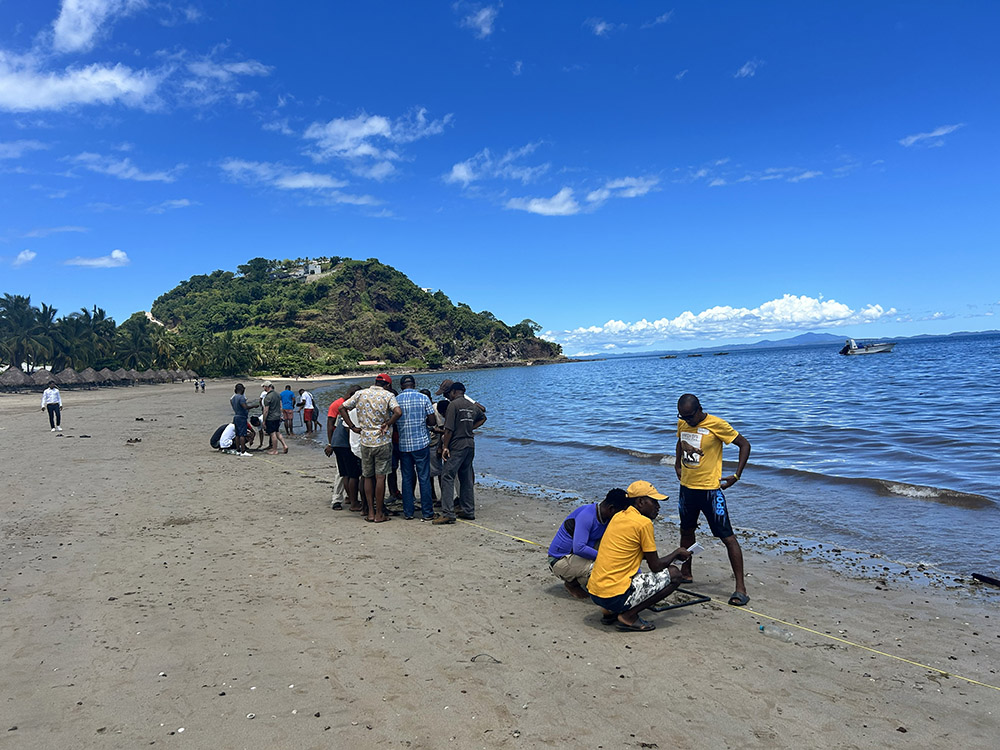
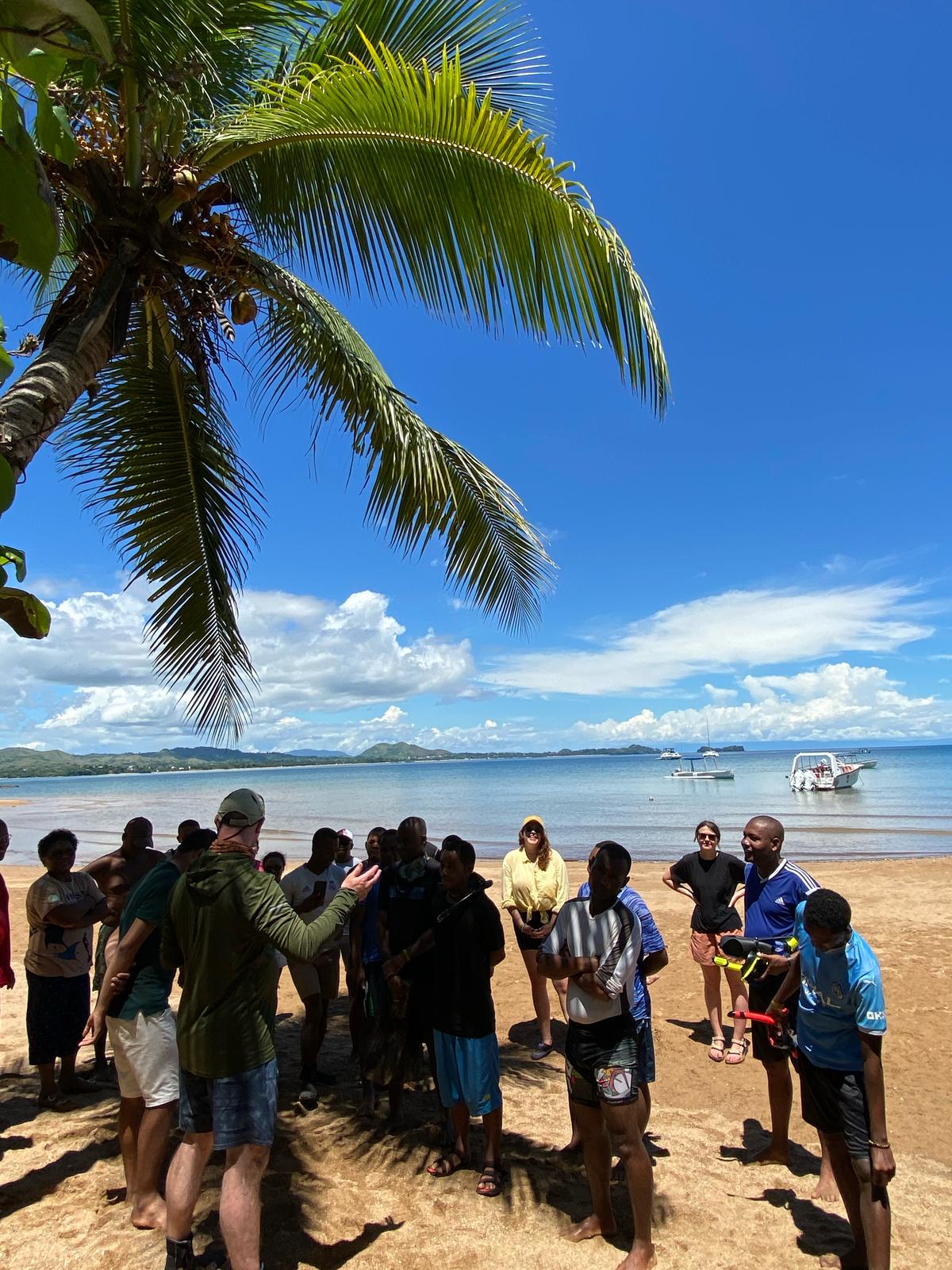
The workshop covered a wide range of topics, including introductions to seagrass ecosystems, species identification and associated fauna, key threats, restoration approaches, monitoring methodologies, data management, and setting effective conservation targets. A field visit to a nearby seagrass bed provided an opportunity to trial the protocol in practice, followed by open discussions on potential adaptations and improvements.
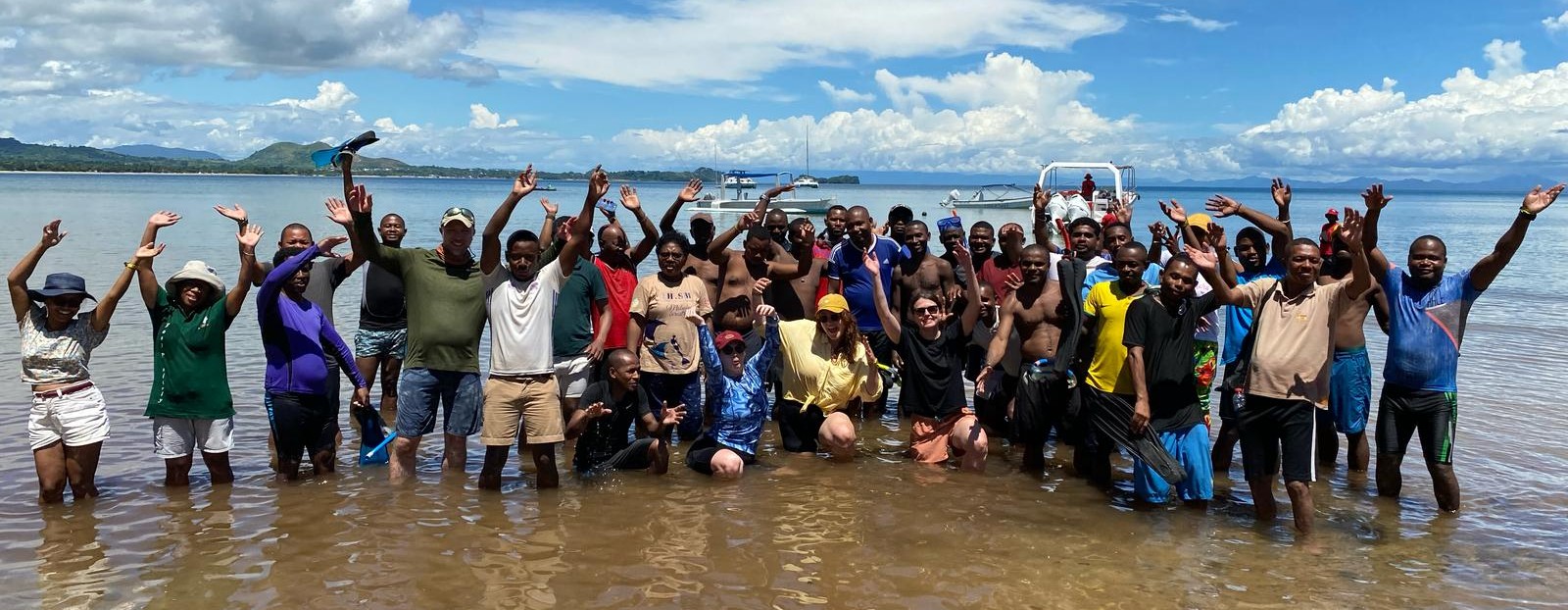
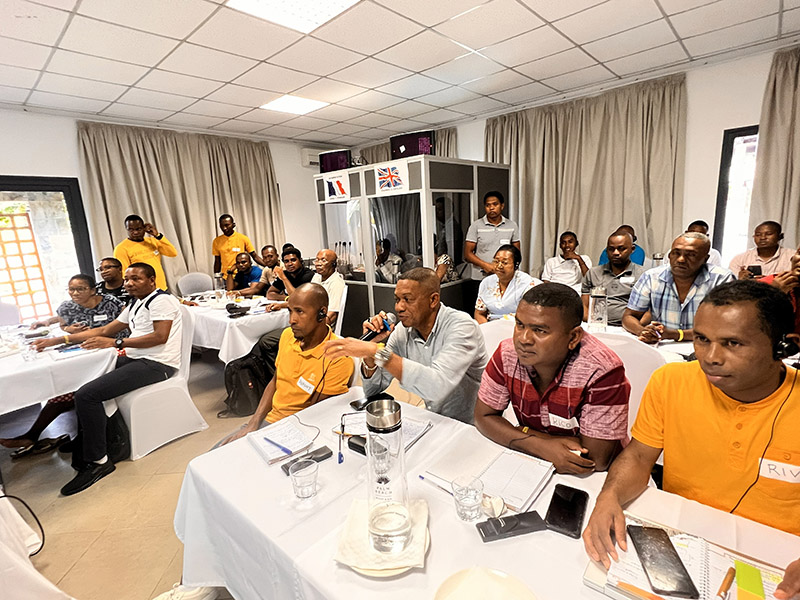
In the final year of OCPP, a lecture series was delivered to further enhance the knowledge and understanding of MNP rangers across a range of marine topics. The series included contributions from JNCC marine mammal and seabird specialists, as well as in-country experts from the Institute of Fisheries and Marine Sciences (IH.SM).
Lecture topics included:
- Inshore seabird monitoring
- At-sea seabird monitoring
- Marine mammal monitoring
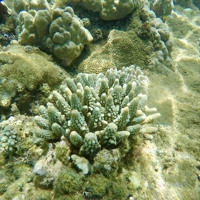
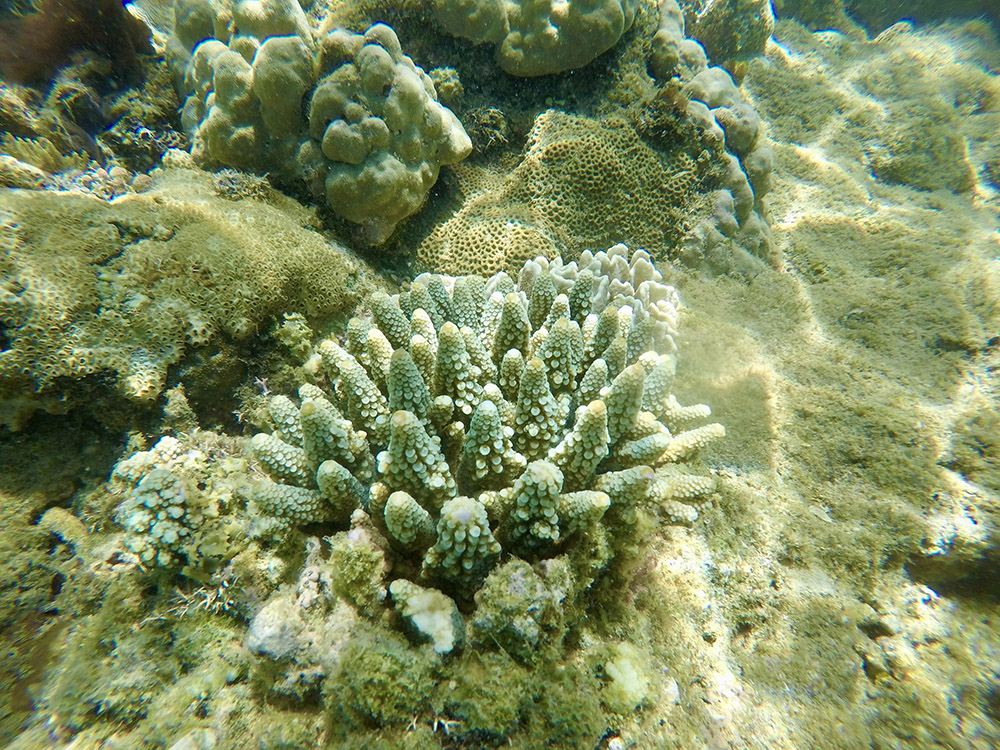
- Introduction to coral reefs and associated threats
- Coral reef restoration
- Reef fish ID
- Reef aquaculture and community engagement
- Reef management and monitoring
- Mangrove Restoration
- Data management and best practice
- Excel tutorial and walkthroughs
Marine Species Legislation Review
Resolve Consultancy, based in Madagascar, is working with the Ministry of Environment and Sustainable Development and the Ministry of Fisheries and the Blue Economy to strengthen the legal protection of marine species. The project addresses critical gaps in Decree 2006-400, which currently protects only five sea turtle species, leaving many threatened marine megafauna, such as whales, dolphins, sharks, rays, dugongs and the coelacanth, without legal protection.
Phase 1 of the project focused on a rapid, precautionary update of Decree 2006-400 to enable immediate protection for priority species. This phase included a review of Madagascar’s international commitments, expert and stakeholder consultations, and the proposal of a simple legal amendment to avoid a full decree revision. Key outputs included technical consensus on full protection for 94 marine megafauna species and a strengthened case for continued absolute protection of all five sea turtle species. The summary report from the first phase of the project can be found here.
Phase 2 builds on these achievements by working with government partners to finalise the updated decree and develop a longer-term, adaptive regulatory framework under fisheries law and international conventions such as CITES. This phase aims to strengthen national capacity and cross-ministerial collaboration through scientific advisory structures, targeted workshops, legal drafting, and case studies on commercially important species, supporting long-term, evidence-based marine conservation in Madagascar. Through workshops with key stakeholders and Ministerial meetings, Resolve reached a consensus on the updated wording of the Decree, which has been endorsed by the Ministries. Detailed case studies and an implementation roadmap will guide the next steps in strengthening species protection measures beyond the lifetime of OCPP.
Establishment of the first Western Indian Ocean Locally Managed Marine Areas (LMMA) Alliance
Marine conservation in Africa and the Western Indian Ocean (WIO) is critical for biodiversity, food security, and livelihoods, yet the region continues to face major challenges including overfishing, habitat degradation, weak governance, and limited resources. Locally Managed Marine Areas (LMMAs), led by Indigenous Peoples and Local Communities, have emerged as one of the most effective and inclusive approaches to addressing these challenges, supporting sustainable fisheries, biodiversity conservation, and community resilience. Despite their proven value, LMMA approaches remain unevenly understood, supported, and recognised across the WIO.
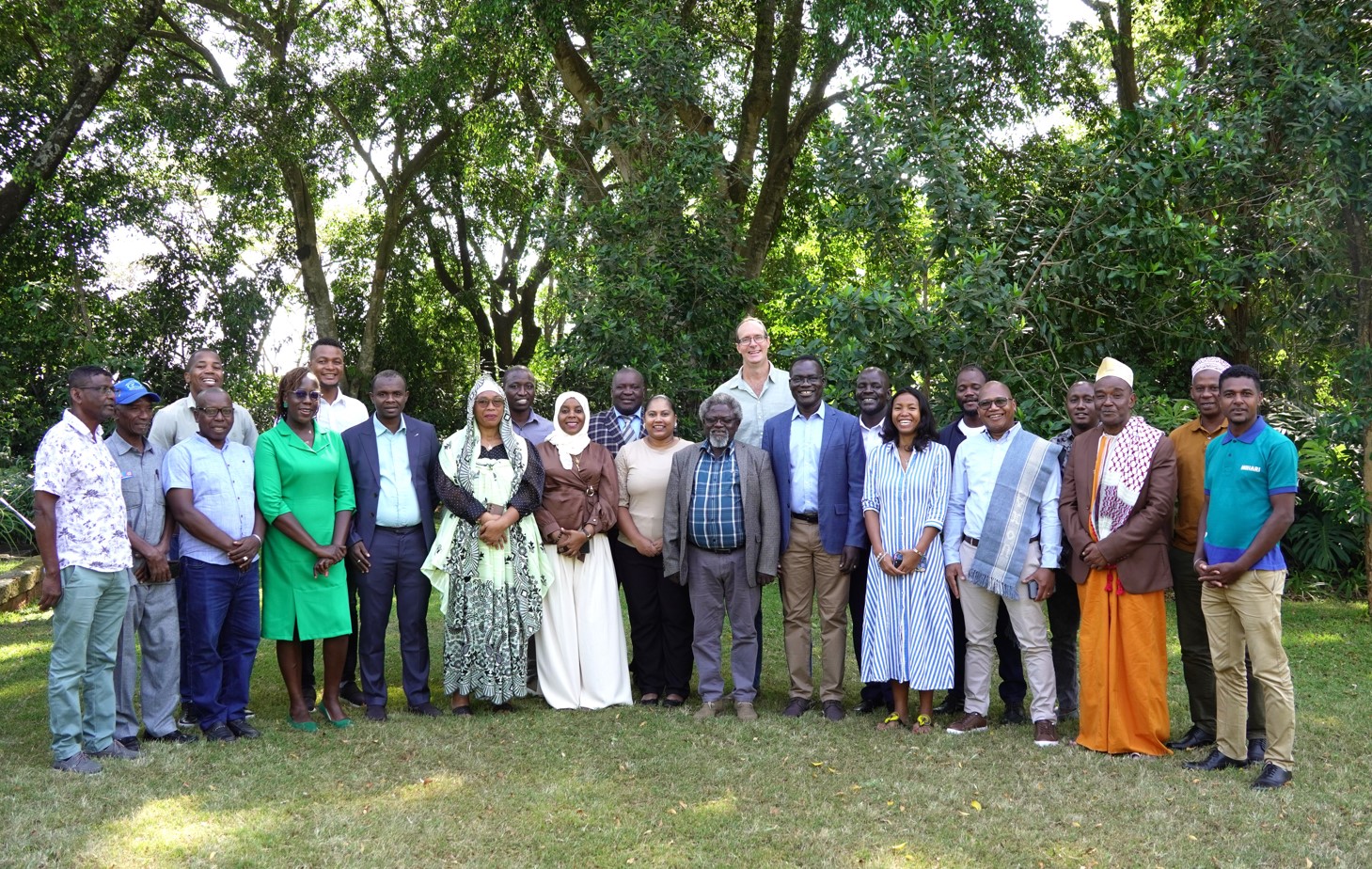
Momentum for LMMAs is growing, particularly in Madagascar, which hosts more than 280 LMMAs and has established a strong national network, MIHARI. In September 2024, we supported IUCN in coordinating the first WIO-LMMA Forum brought together community leaders and practitioners from across the region, resulting in a shared declaration and a clear call to establish a WIO LMMA Coalition. Its goal would be to expand and support effective, legally recognised LMMAs across the WIO, contribute to global conservation targets such as 30x30, and ensure that community-led marine conservation delivers lasting benefits for biodiversity, fisheries, and local livelihoods.
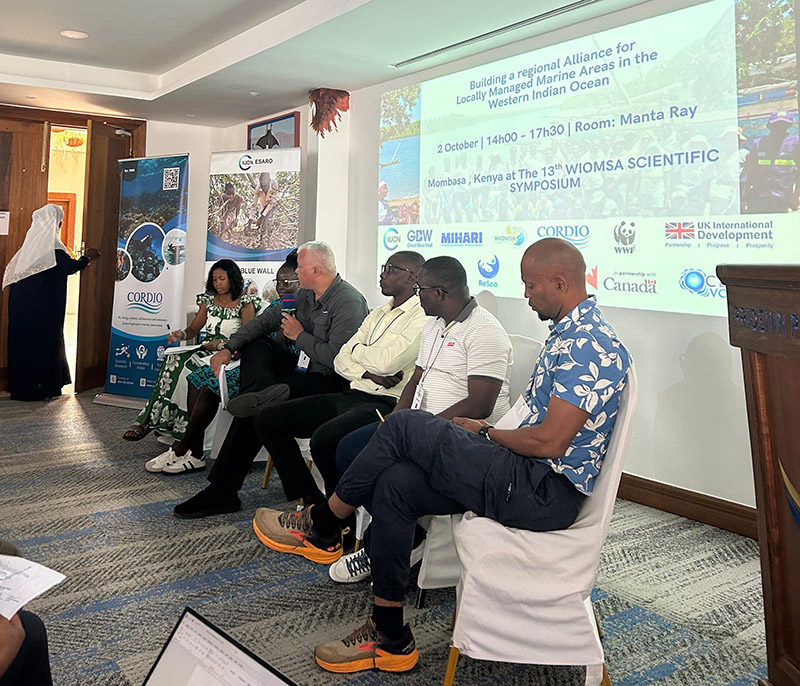
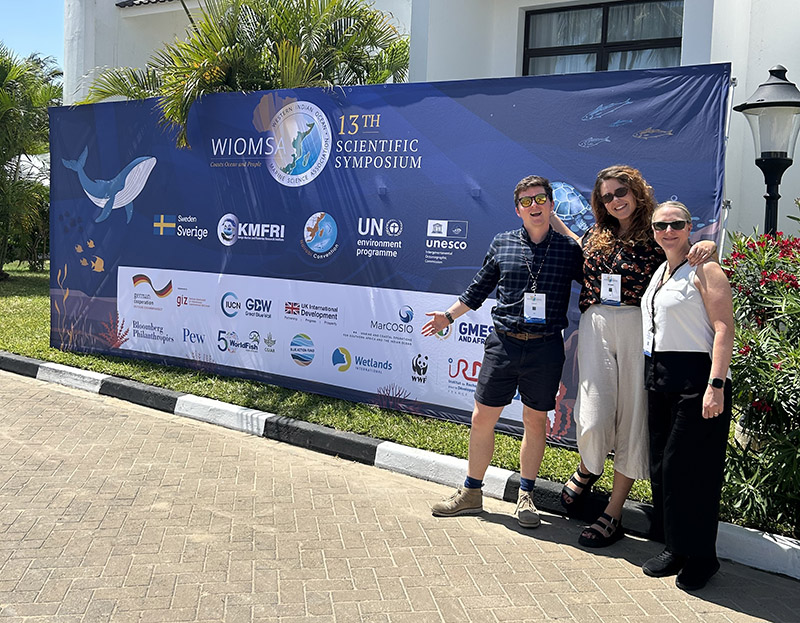
Through 2025, OCPP continued to collaborate with IUCN to progress the development of the WIO LMMA Alliance. The steering committee and Terms of Reference of the Alliance were drafted and presented at the WIOMSA 13th Scientific Symposium in Mombasa, Kenya, through a dedicated side session on Building a Regional Alliance for Locally Managed Marine Areas (LMMAs) in the Western Indian Ocean. The session brought together LMMA practitioners, community representatives, NGOs, researchers and regional networks to share country experiences, reflect on progress since the first WIO LMMA Forum in Madagascar, and collectively shape the vision, structure and priorities of an emerging WIO LMMA Alliance. Discussions highlighted the diversity of community-based marine management approaches across the region, the need for stronger coordination and shared learning, and strong demand for a community-led coalition to amplify local voices, support legal recognition, and scale effective LMMAs across the WIO.
Read the summary WIOMSA side session report here.
The feedback gathered from participants helped to shape the Alliance's operating structure, which was further honed through events at the IUCN World Conservation Congress and COP30. Local consultants also conducted extensive stakeholder engagement sessions to gather input from communities across the WIO and integrate suggestions and feedback into the Alliance setup. A temporary Steering Committee for the Alliance has been established, made up of community representatives from each country in the WIO and key regional organisations, with the first meeting held in February 2026 to agree a 12-month workplan focused on four strategic pillars:
- Community rights and recognition
- Inclusive governance and stewardship
- Resilient livelihoods and growth
- Collective power and learning
OCPP and IUCN have developed critical resources to support the expansion and effective management of LMMAs across the WIO and Madagascar, including the LMMA Toolkit, Investment Strategy and Trust Fund, including a GEDSI analysis to ensure funding opportunities are accessible and inclusive. The establishment of the Alliance provides sustainable support to LMMAs across the WIO region beyond the lifetime of the programme, ensuring the legacy of enhanced conservation at a community level.
MPA Management Effectiveness Tools
At the request of the Open Communications for the Ocean (OCTO) Group, the OCPP Biodiversity Team has compiled a comprehensive summary of tools for assessing the management effectiveness of MPAs. This resource is designed to support MPA practitioners and decision-makers by providing guidance on key approaches to evaluating MPA performance.
The document covers a range of topics, including MPA assessments in relation to implementation progress, Protected Area Management Effectiveness (PAME) methodologies for both individual MPAs and MPA networks, the benefits of conducting PAME assessments, and an overview of the PAME process. It also features an in-depth exploration of the Management Effectiveness Tracking Tool (METT-4), alongside case studies from METT-4 assessments conducted under the OCPP.
To view this document, please visit the Resource Hub.
Resources
Published pieces of work associated with the listed activities undertaken through the OCPP-Madagascar Government partnership can be found in this section and will be added throughout the programme.
Review of Marine Species Protection Legislation - Phase 1 Report
Building a regional Alliance for LMMAs in the WIO Special Session Report
OCPP Summary - Evaluating the management effectiveness of MPAs
Image gallery
Categories:
Published: