
By Alyssa Fischer, International Advice Team Co-Leader
In our latest blog post, Alyssa Fischer, Co-Leader of our International Advice Team reflects on her experience of IPBES-12 and the importance of the next steps.
Our global economy depends on thriving biodiversity. We all know this, to some extent. It is the source of the food we eat, the water we drink, and even the paper on which I’m drafting this blog (yes, I’m an old-school pen-and-paper writer). We also know that the economy impacts biodiversity – through pollution from manufacturing, habitat loss from monoculture farming, and the pressures climate change places on ecosystems.
But to what extent can we quantify these dependencies and reshape international markets to incentivise – or even mandate – the protection of biodiversity?
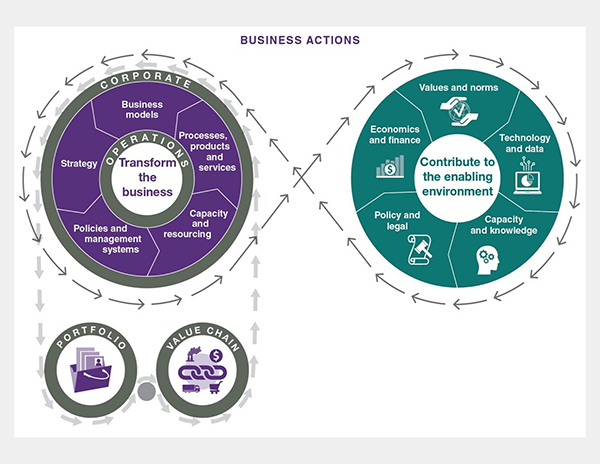
Image 1: Illustration of the relationship between business actions and the enabling environment (from the IPBES Business and Biodiversity Assessment.
This question was at the heart of February’s conversations at the IPBES-12 Plenary in Manchester. Alongside JNCC’s negotiating team, our CEO, Gemma Harper, our Chair, David Cooper, and I had the privilege of attending the Plenary and taking part in these critical discussions.
Outside of the negotiations, Manchester was buzzing with energy. Stakeholders from around the world came together through a vibrant programme of side events to explore how we move from ambition to action. One highlight for me was the Business and Finance Day, co-hosted by Defra and Aviva, which convened leaders from business, finance, the public sector and beyond to consider what transformational change could – and should – look like in practice.
A key message I took away, both from this event and the week as a whole, centred on evidence; and whether, in our journey to a more sustainable world, we risk making perfect the enemy of good. Within policy and scientific communities, we often hear that the data aren't yet strong enough; that evidence on ecosystem outcomes is too limited to integrate confidently into financial decision-making.
But at IPBES-12, I heard a different message coming through. Across sectors, colleagues spoke to the urgency of the challenge. We don’t have the luxury of time to wait for perfect data or flawless models. The traditional finance approach may no longer be fit for purpose in this context. We need to work together as scientists, policymakers, the business and finance sectors, NGOs and youth and community groups to fill critical data gaps while seizing the opportunity of now.
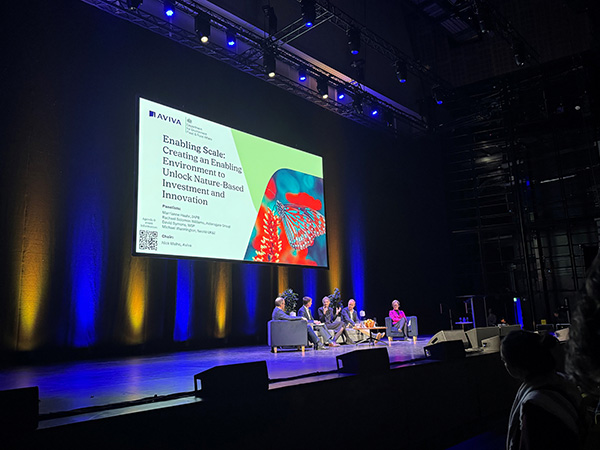
Image 2: Aviva/Defra Business & Finance Day (photo courtesy of Alyssa Fischer).
This is a vital role for organisations working at the science/policy interface, like JNCC. We must partner across the public, private and third sectors to build an enabling environment – one that facilitates riskier investments in nature-positive outcomes and puts the resilience of our communities, economy, and environment and the centre of decision-making.
This is not a challenge the UK can tackle in isolation. We operate within a global economy, and truly transformative change will require us to look beyond national boundaries and account for the impacts our consumption has on ecosystems worldwide.
At JNCC, we are already contributing to this agenda. Our work on the global biodiversity impacts of UK subsidies is helping to inform policymaking, while our Global Environmental Impacts of Consumption indicator tracks the environmental pressures embedded in the goods we consume.
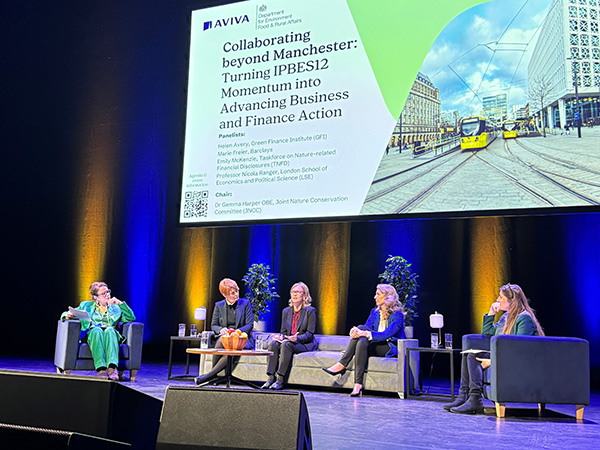
Image 3: Aviva/Defra Business & Finance Day (photo courtesy of Alyssa Fischer).
What felt different in Manchester was not just the scale of the challenge, but the level of alignment around the need to act now. Across the parallel programme, there was a clear appetite – from businesses, researchers and policymakers alike – to move from frameworks to implementation, and from discussion to delivery.
The task ahead is not simple. It will require new partnerships, new approaches to evidence, and a willingness to take informed risks. But the direction of travel is becoming clearer.
For JNCC, the next phase is about building on this momentum: continuing to strengthen the evidence base, supporting decision-makers to act on it, and working with partners across sectors to ensure that biodiversity is not treated as an externality, but as a foundational asset of our economy.
The conversations in Manchester may have taken place over a single week, but their implications will shape the work ahead for years to come.
Published: