
In our latest blog post, Saskia Mori, Rachael Howlett and Rachael Haw from our Environmental Pollution Team share insights from the Clean Air Public Insight Tracker (CAPIT) survey. Through JNCC’s commissioned questions, the survey explores what the public knows about air pollution, how concerned they are, and how important they think its impacts on nature are.
It’s Clean Air Day, the UK’s largest campaign raising awareness of the impact of air pollution on our health and environment. As part of this, JNCC’s Clean Air for Nature work explores air pollution from a nature perspective.
What is air pollution?
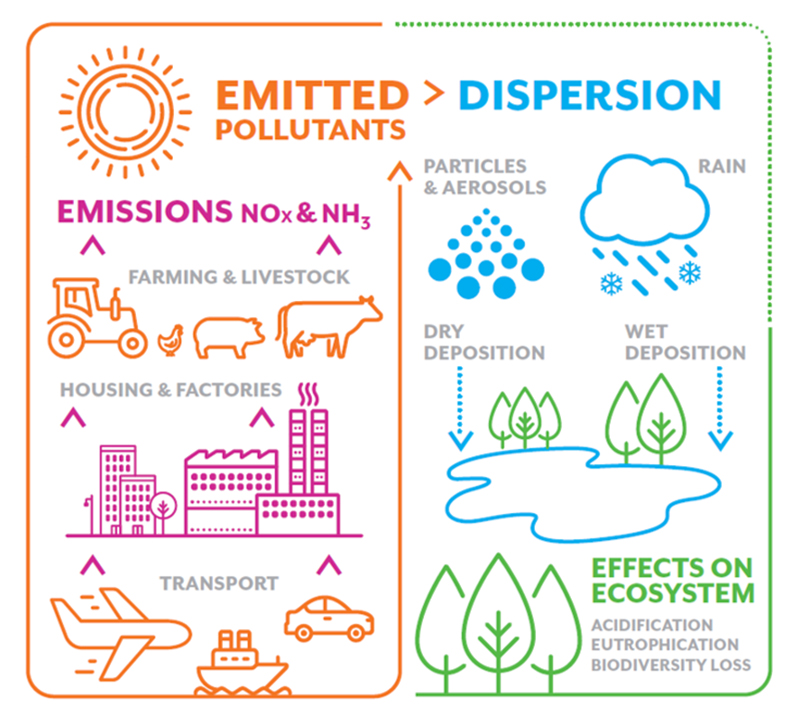
What exactly is air pollution? Put simply, it is the presence of harmful substances in the air. These pollutants come from a range of everyday sources, including farming, construction, industry and energy generation, transport such as cars, trains and shipping, as well as activities in our homes like cleaning, personal care products, and burning wood or coal.
Understanding where air pollution comes from and how it affects both nature and people is the first step towards taking action. Together, we can make informed choices to help protect our environment.
What could you do to help reduce air pollution?
Small changes in our everyday choices can make a big difference. Here are a few ways you can help:
- Cycle: Enjoy the fresh air and get some exercise while reducing emissions.
- Walk: Take a stroll and appreciate the beauty of your surroundings.
- Use public transport: Choose buses or trains to reduce individual car use.
- Make sustainable choices: Refuse, reduce, reuse, recycle, and rethink your consumption habits for a more sustainable future. Choosing low-impact products, and opting for more plant-based or locally sourced food, can help lower emissions and improve air quality.
Why does clean air matter
Air pollution negatively affects both human health and nature. For people, it is linked to a range of health issues, including respiratory and cardiovascular conditions, and can worsen existing illnesses. For the natural environment, air pollution can lead to eutrophication and acidification, damaging habitats and ultimately contributing to biodiversity loss (see infographic).
What do people think about air pollution and nature?
Between 2021 and 2025, we asked around 2,000 people each year about their views on air quality and nature.
In 2025, we saw a slight drop in awareness and concern about how air pollution affects the natural environment. However, people still recognise that reducing air pollution is important for both nature and our health.
There are some encouraging signs too. Over one in three people knew that lichens are indicators of air pollution – these fascinating organisms can tell us a lot about the air we breathe.
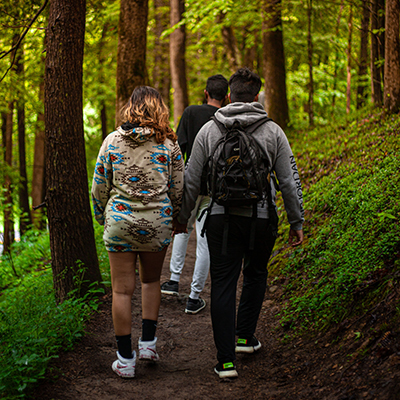
We also found that people are continuing to spend time outdoors: in 2025, 30% of respondents said they visited nature every week, with an average of 47 days spent in nature each year.
Would you like to get involved? You can learn more about lichens and even try identifying them yourself through the OPAL Air Survey led by Imperial College London. Taking part in a simple lichen survey is a great way to connect with nature while contributing to our understanding of air quality.
For more insights
For more insights from the survey, visit our Clean Air for Nature webpage.
Published: