
By: International Implementation Team
In our latest blog post, our International Implementation Team reflect on a biodiversity workshop held on the Overseas Territory of St Helena, and the extraordinary biodiversity of the island.
“St Helena is not just another small island; it is one of the UK’s most irreplaceable centres of biodiversity. On this tiny territory, more than 2,100 native species have been recorded, and around 23% of them – over 500 plants and animals – are found nowhere else on Earth. This means St Helena alone holds almost a third of all endemic species in the UK Overseas Territories, and about 30% of the UK’s endemic species overall. At a time when climate change, invasive species and economic pressures are placing unprecedented strain on our environment, safeguarding this natural heritage is a responsibility we share with the UK and other UK Overseas Territories. Our community is committed to caring for these unique species. Still, we will need sustained, long-term UK support – in funding, science and partnership – if we are to pass St Helena’s extraordinary biodiversity on, intact, to future generations of Saints and to the wider UK family.”
Karl Thrower, Minister for Environment, Natural Resources & Planning and Economic Development.
Background
In late October 2022, the remote Overseas Territory of St Helena hosted a consultation workshop as part of the ongoing development of the newly released UK Overseas Territories Biodiversity Strategy. Facilitated by JNCC, Defra and the St Helena Government’s Environment, Natural Resources, and Planning Portfolio team (ENRP), the two-day event brought stakeholders from across the island together to share insights, discuss priorities, and envision a thriving future for biodiversity.
Held at Anne’s Place in Jamestown, the workshop was crucial in shaping a unified biodiversity strategy to guide conservation efforts across the UK Overseas Territories (OTs). Attendees included representatives from government departments, Non-Governmental Organisations, and community groups, highlighting the importance of collaboration, knowledge sharing, and community involvement in biodiversity conservation.
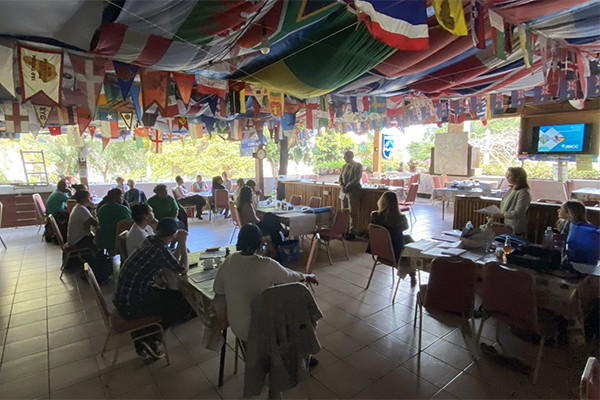
Image 1: Workshop introduction at the colourful Anne’s Place in St Helena (photo credit: Sarah Valenti).
Setting the Stage for Collaboration
His Excellency Governor Nigel James Phillips, CBE, opened the workshop, emphasising the critical role of biodiversity in ensuring prosperity and sustainability for St Helena and the broader OTs. Throughout the event, participants engaged in discussions addressing vital topics such as creating a shared vision for biodiversity, identifying local priorities, and understanding barriers to effective conservation.
A Vision for Biodiversity
Workshop participants developed vision statements to encapsulate their aspirations for biodiversity. The resulting vision the group articulated was:
"St Helena has a pristine environment achieved by the community working sustainably for island prosperity."
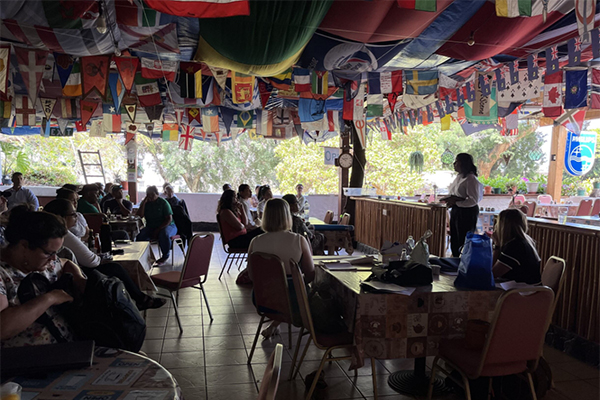
Image 2: Defining objectives at the St Helena consultation workshop (photo credit: Amanda Gregory).
Identifying priorities
The workshop highlighted St Helena's rich biodiversity, home to over 2,144 native species, including over 500 endemic species such as the critically endangered Spiky Yellow Woodlouse and the vulnerable Wirebird (or St Helena Plover, to be featured in another blog), along with globally important endemic invertebrates like Loveridge’s Hoverfly and the Mole Spider.
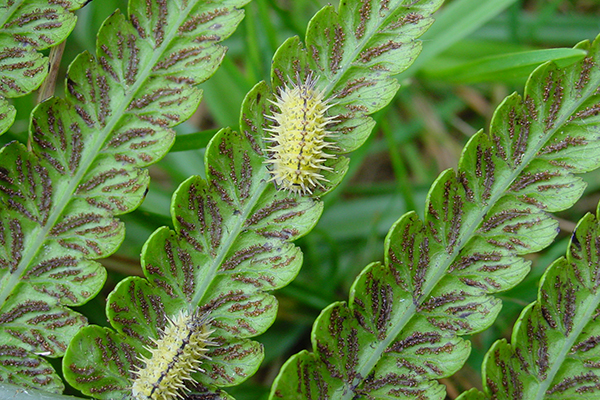
Image 3: Spiky Yellow Woodlouse on St Helena (photo credit: St Helena National Trust).
Participants discussed significant pressures, including invasive species like New Zealand Flax and Bridal Creeper, climate change impacts, and limited sustainable funding. Proposed solutions included enhancing biosecurity measures, community education, and securing long-term financial support for conservation projects.
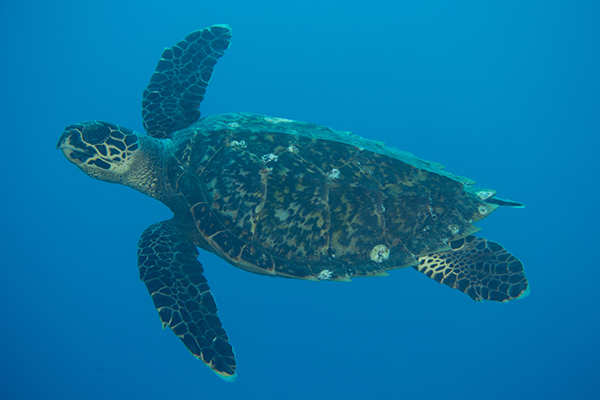
Image 4: Hawksbill Turtle off St Helena (photo credit: St Helena Marine and Fisheries Conservation Section).
Linking Local Efforts to Global Goals
Participants expressed the importance of aligning St Helena’s biodiversity strategy with international frameworks like the Convention on Biological Diversity (CBD) and the Global Biodiversity Framework. Clear guidance for translating these commitments into actionable local strategies was strongly supported.
Building a Shared Framework
Workshop attendees agreed on strategic goals and national priorities for biodiversity on St Helena, including:
- Reconnecting people with nature through educational initiatives and community programmes.
- Developing skills and talent in biodiversity conservation through targeted training and improved access to spatial data.
- Maximising funding opportunities and collaboration with Regional South Atlantic Territories to address cross-cutting issues like biosecurity.
- Strengthening management frameworks by updating the St Helena Environment Strategy and incorporating biodiversity into the Sustainable Economic Development Plan (2018-2028).
- Enhancing environmental resilience by improving baseline data on endemic species and habitats, addressing priority invasive species, and supporting sustainable agricultural practices.
- Championing the benefits of nature by creating a technical hub for knowledge exchange and promoting the unique biodiversity of St Helena internationally.
Looking ahead
Insights from the St Helena workshop have helped to shape the new Overseas Territories Biodiversity Strategy, ensuring it reflects the unique needs and aspirations of each OT while promoting collective biodiversity conservation. Biodiversity is deeply intwined in the culture, traditions and livelihoods of the Territories, reflected in the songs, art and lives of local communities who depend upon it. JNCC and its partners are committed to continuing this collaborative approach, positioning St Helena as a leading example in biodiversity conservation.
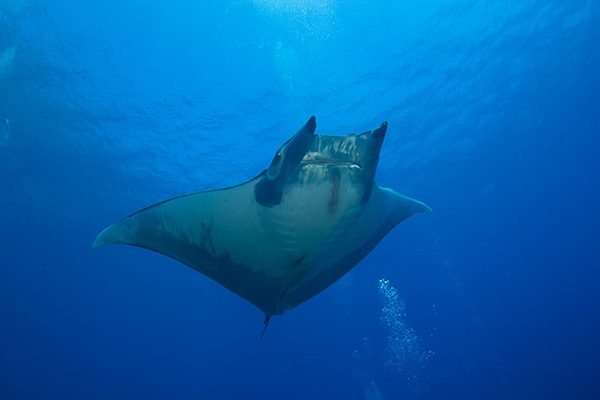
Image 5: Chilean Devil Ray off St Helena (photo credit: St Helena Marine and Fisheries Conservation Section).
Published: